The Black Presence in the Bible: An Exploration
This exploration delves into often-overlooked narratives‚ revealing the significant‚ yet frequently marginalized‚ presence of Black and African peoples within biblical texts and their historical contexts.
For centuries‚ interpretations of the Bible have been heavily influenced by a Eurocentric lens‚ often portraying biblical figures and events through a distinctly Western cultural framework. This has‚ unfortunately‚ led to the systematic marginalization and even erasure of the contributions and presence of people of African descent within the biblical narrative. This introductory section aims to challenge these ingrained biases and initiate a critical re-examination of scripture.
Traditional biblical scholarship frequently defaults to depictions of biblical characters based on European phenotypes‚ effectively whitewashing the diverse populations that inhabited the ancient Near East and Africa. This isn’t merely an issue of artistic representation; it fundamentally alters our understanding of the historical and cultural context of the Bible. Recognizing the African presence isn’t about imposing a modern racial agenda onto ancient texts‚ but rather about acknowledging the historical realities of the people who were present.
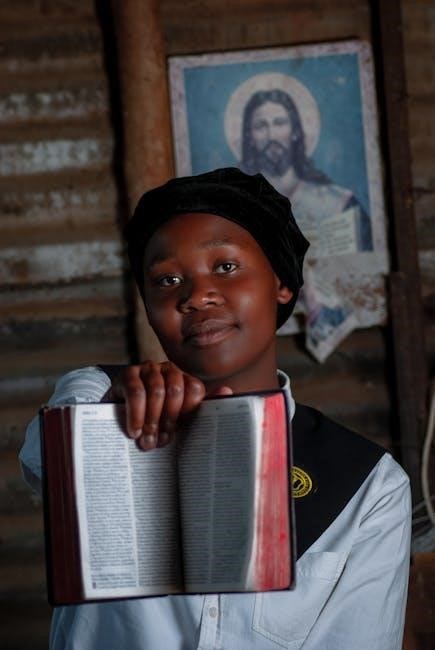
This exploration seeks to reclaim these obscured histories‚ demonstrating that individuals of African descent were not peripheral figures but integral participants in the unfolding drama of salvation history. By dismantling the Eurocentric framework‚ we can gain a more nuanced‚ accurate‚ and inclusive understanding of the Bible and its enduring message. It’s a journey towards a more complete and truthful representation of the biblical world.
II. Historical Context: Ancient Near East Demographics
Understanding the demographics of the ancient Near East is crucial for appreciating the likelihood of African presence within biblical narratives. The region encompassing Egypt‚ Nubia‚ the Levant‚ and Mesopotamia was a vibrant crossroads of cultures and peoples‚ experiencing significant migration and interaction throughout antiquity. To assume a homogenous population solely of European descent is a historical inaccuracy.
Ancient Egypt‚ with its long-standing relationship with Nubia (modern-day Sudan)‚ exerted considerable influence over the region. Nubians‚ demonstrably of African descent‚ frequently served in Egyptian armies‚ held positions of power‚ and intermarried with Egyptians. Trade routes extended far south into Africa‚ facilitating the movement of people and goods. Similarly‚ connections existed between the Levant and various African kingdoms.
Furthermore‚ the term “Ethiopian” in ancient literature wasn’t limited to modern-day Ethiopia; it broadly referred to populations south of Egypt‚ encompassing a wide range of African groups. Archaeological evidence and ancient texts confirm the presence of people with African features throughout the ancient Near East. Ignoring this demographic reality distorts our understanding of the biblical world and the potential ethnic backgrounds of biblical figures. Acknowledging this diversity is paramount.
III. The Land of Cush (Ethiopia) and its People
The biblical land of Cush‚ often translated as Ethiopia‚ occupies a significant position in the Old Testament. It wasn’t a single‚ monolithic entity but rather a region encompassing parts of modern-day Sudan‚ South Sudan‚ Eritrea‚ and Ethiopia. Historically‚ Cush was a powerful kingdom with a distinct culture and a long history of interaction with Egypt and other Near Eastern civilizations.
Cushites are frequently mentioned in the Bible‚ often portrayed as a people with whom Israel engaged in both conflict and trade. They were renowned for their military prowess‚ their wealth in gold‚ and their skilled craftsmanship. Importantly‚ ancient depictions and historical accounts consistently portray Cushites as having dark skin and distinct physical features characteristic of African populations.
The relationship between Cush and Egypt was complex‚ marked by periods of both rivalry and cooperation. At times‚ Cush even ruled over Egypt during the 25th Dynasty. This historical context is vital when interpreting biblical references to Cush‚ as it demonstrates the Cushites were not a peripheral people but a major power in the ancient world. Understanding Cush’s geographical location and its people’s identity is crucial for a nuanced reading of the biblical text.
IV. Biblical References to Cushites & Nubians
The Old Testament contains numerous references to Cushites and‚ at times‚ Nubians – often used interchangeably or in close geographical association. These mentions span various narratives‚ from Genesis to the prophetic books. Genesis 2:13 identifies Cush as the land from which the Nile River flows‚ establishing its geographical location. Throughout the historical books‚ Cushites appear as soldiers‚ merchants‚ and even adversaries of Israel.
Notably‚ 2 Chronicles 14:9-15 recounts a significant military conflict between Asa‚ king of Judah‚ and Zerah the Cushite‚ who led a massive army. This demonstrates Cush’s military strength and its potential to pose a threat to neighboring kingdoms. Prophetic texts‚ like Isaiah 18‚ contain oracles concerning Cush‚ often referencing its wealth and its role in international trade.
Furthermore‚ the book of Daniel mentions Cushites alongside Persians and Elamites as part of the empire that opposed Israel. These references‚ while often brief‚ consistently depict Cushites as a distinct people group with a recognizable identity. Recognizing these recurring mentions is vital for acknowledging the consistent presence of African peoples within the biblical narrative‚ challenging Eurocentric interpretations.
V. Examining the Queen of Sheba
The story of the Queen of Sheba’s visit to King Solomon (1 Kings 10:1-13; 2 Chronicles 9:1-12) is one of the most captivating encounters in the Hebrew Bible. She arrives bearing immense wealth – gold‚ spices‚ and precious stones – to test Solomon’s wisdom with “hard questions.” The narrative emphasizes her astonishment at Solomon’s palace‚ his wisdom‚ and his worship practices.
Historically‚ the Queen of Sheba has been linked to various regions‚ but a strong tradition identifies her kingdom with Ethiopia (ancient Abyssinia). This association stems from the Ethiopian national epic‚ the Kebra Nagast (“Glory of Kings”)‚ which claims Sheba was Ethiopian and that her son‚ Menelik I‚ founded the Solomonic dynasty of Ethiopia. This lineage became central to Ethiopian royal legitimacy for centuries.
The biblical text doesn’t explicitly state the Queen’s ethnicity‚ but the association with Ethiopia‚ coupled with the descriptions of her people and their wealth‚ has led many scholars to believe she was of African descent. Examining this encounter through a lens that acknowledges potential African origins offers a richer understanding of the biblical narrative and its connections to African history and culture.
VI. Identifying Sheba’s Location and People
Pinpointing the precise location of Sheba remains a complex historical and archaeological challenge. While the biblical text places Sheba in Arabia Felix (modern-day Yemen)‚ a strong historical and cultural tradition links it to the Kingdom of D’mt in ancient Ethiopia and Eritrea. Archaeological evidence from this region‚ dating back to the 8th century BCE‚ reveals a sophisticated civilization with trade links extending to southern Arabia.
The Kebra Nagast‚ a foundational text for Ethiopian Orthodox Christianity‚ firmly establishes Sheba’s location in Ethiopia‚ identifying its capital as Azmar. This text portrays the Sabaeans as a powerful and prosperous people‚ skilled in trade and governance. Linguistic connections between the ancient Sabaean language of southern Arabia and the Ge’ez language of Ethiopia further support this link.
Furthermore‚ the physical descriptions of the Queen of Sheba and her entourage‚ as interpreted through Ethiopian art and tradition‚ often depict individuals with features consistent with those of the indigenous populations of the Horn of Africa. This reinforces the argument that Sheba was not merely a trading partner of Solomon‚ but a significant African kingdom with a distinct cultural identity.
VII. The Queen’s Visit and its Significance
The narrative of the Queen of Sheba’s visit to King Solomon (1 Kings 10‚ 2 Chronicles 9) is rich with symbolism and has been interpreted in diverse ways throughout history. Her journey‚ laden with extravagant gifts – gold‚ spices‚ and precious stones – signifies not only diplomatic exchange but also a recognition of Solomon’s wisdom and the power of his kingdom.
However‚ within the context of exploring the Black presence in the Bible‚ the Queen’s visit takes on added significance. If Sheba is indeed linked to ancient Ethiopia‚ as many traditions suggest‚ her presence represents a powerful African monarch engaging with a prominent figure in biblical history on equal footing. This challenges Eurocentric interpretations that often marginalize African agency.
The story also highlights the intellectual curiosity and sophistication of African rulers. The Queen’s challenging questions for Solomon demonstrate her own wisdom and desire for knowledge. Her visit isn’t simply one of tribute; it’s a meeting of minds‚ a reciprocal exchange of cultural and intellectual wealth. This encounter‚ therefore‚ serves as a testament to the intellectual contributions of ancient African civilizations.
VIII. The Ethiopian Eunuch: A Pivotal Conversion Story
The story of the Ethiopian eunuch‚ recounted in Acts 8:26-40‚ stands as a landmark moment in early Christian history‚ powerfully illustrating the inclusivity of the Gospel message. This narrative details a royal official from the Kingdom of Cush (Ethiopia) traveling to Jerusalem to worship‚ and his subsequent encounter with Philip the Evangelist.
This conversion is particularly significant because it demonstrates the early acceptance of non-Jewish believers into the Christian faith. The eunuch’s ethnicity and social status – a high-ranking official‚ yet also a eunuch‚ a marginalized group – underscore the radical nature of the Gospel’s reach‚ transcending societal boundaries.
Philip’s obedience to the Spirit’s leading‚ his willingness to engage with a stranger‚ and the eunuch’s immediate acceptance of the Gospel after understanding the scripture‚ all contribute to the story’s profound impact. The eunuch’s baptism symbolizes his full inclusion into the Christian community‚ marking a pivotal moment in the expansion of Christianity beyond its Jewish origins and firmly establishing a Black presence within its earliest ranks.
IX. The Narrative in Acts 8:26-40
The account in Acts 8:26-40 meticulously details the encounter between Philip and the Ethiopian eunuch. Guided by an angel‚ Philip travels south and joins the eunuch’s chariot. The eunuch is reading from the scroll of Isaiah‚ specifically Isaiah 53:7-8‚ a passage foretelling the suffering servant.
Philip inquires if the eunuch understands what he is reading‚ prompting a request for explanation. Philip then skillfully explains how the passage refers to Jesus Christ‚ connecting the Old Testament prophecy to the New Testament fulfillment. This exposition leads to a profound theological discussion and the eunuch’s heartfelt desire for baptism.
The narrative highlights the eunuch’s sincere faith and immediate response to the Gospel. Philip baptizes him in a nearby body of water‚ signifying his public profession of faith and entry into the Christian community. The Spirit then abruptly transports Philip away‚ while the eunuch continues on his journey‚ now a joyful believer. This detailed account provides a compelling illustration of early Christian evangelism and the transformative power of the Gospel message.
X. The Eunuch’s Origin and Identity
The biblical text identifies the Ethiopian eunuch as “a man from Ethiopia” (Acts 8:27)‚ specifically a high official – a “chancellor” or “treasurer” – in the court of Candace‚ the queen of Ethiopia. This detail is crucial‚ establishing his position of power and influence within his kingdom.
Historically‚ Ethiopia encompassed the region of Nubia‚ corresponding to modern-day Sudan and parts of Ethiopia. The people of this region were predominantly Black African‚ possessing distinct physical characteristics. The term “Ethiopian” in the ancient world wasn’t solely geographical; it often carried racial connotations‚ denoting people of dark complexion.
Furthermore‚ the role of a eunuch often involved individuals of foreign origin‚ serving in royal courts. While the practice of eunuchry existed across various cultures‚ in Ethiopia‚ it was frequently associated with individuals brought from other lands. Therefore‚ the eunuch’s identity as an Ethiopian official strongly suggests a Black African origin and a prominent role within a powerful African kingdom. His conversion represents a significant expansion of the early church into Africa.
XI. The “Blackness” of the Song of Songs
The Song of Songs (Song of Solomon)‚ a poetic text celebrating romantic love‚ contains verses that have sparked considerable debate regarding the bride’s skin tone. Specifically‚ the bride repeatedly refers to herself as “dark‚ but lovely” (Song 1:5) and laments being “darkened by the sun” (Song 1:6)‚ a concern about tanning rather than inherent complexion.
Historically‚ interpretations have varied. Some traditional readings‚ influenced by Eurocentric biases‚ attempted to downplay or allegorize the references to darkness. However‚ a growing body of scholarship argues that these verses directly acknowledge and celebrate the bride’s Black or dark-skinned beauty. The Hebrew word used for “dark” – shachor – can indeed denote a dark complexion.
Within the cultural context of the ancient Near East‚ darker skin tones were not necessarily considered undesirable. In fact‚ exposure to the sun was common for those working outdoors‚ and a healthy tan could be seen as a sign of vitality. The bride’s self-awareness regarding her skin tone‚ coupled with her acknowledged beauty‚ suggests a positive valuation of her dark complexion‚ offering a powerful image of Black beauty within biblical literature.
XII. Interpretations of the Bride’s Skin Tone
Interpretations of the bride’s skin tone in the Song of Songs have been profoundly shaped by historical and cultural lenses. Early Jewish commentators offered diverse views‚ some allegorizing the “darkness” as representing Israel’s spiritual struggles or a period of exile‚ distancing it from literal skin color.
Medieval Christian interpretations frequently aligned with the prevailing aesthetic preferences‚ often portraying the bride as fair-skinned‚ and interpreting the verses about darkness as symbolic of sin or imperfection. This reflected a broader societal bias against darker complexions;
However‚ the rise of critical biblical scholarship in the 19th and 20th centuries‚ coupled with the Civil Rights Movement and growing awareness of racial justice‚ prompted a re-evaluation. Scholars began to challenge Eurocentric biases and explore the possibility of a literal interpretation‚ recognizing the bride’s “darkness” as a celebration of Black beauty.
Contemporary scholarship increasingly supports the view that the text acknowledges and affirms the bride’s dark skin tone‚ challenging traditional interpretations and offering a more inclusive reading of the Song of Songs. This shift reflects a broader effort to reclaim marginalized voices and perspectives within biblical studies.
XIII. Cultural Context and Symbolism of Dark Skin
Within the ancient Near Eastern context‚ skin tone carried complex symbolic weight. While modern notions of racial categorization didn’t exist‚ perceptions of beauty and status were often linked to complexion. Exposure to the sun‚ particularly for those working outdoors – farmers‚ laborers – naturally resulted in darker skin.
Interestingly‚ darker skin wasn’t necessarily viewed negatively. In some instances‚ it signified strength‚ vitality‚ and a connection to the land. The nomadic and agricultural lifestyles prevalent in the region meant that a tanned complexion was often associated with health and resilience.
The Song of Songs‚ written within this cultural milieu‚ likely reflects these nuanced perceptions. The bride’s “darkness” could be interpreted not as a flaw‚ but as a mark of her beauty‚ her connection to the natural world‚ and her robust health. It’s a celebration of a natural aesthetic.
Furthermore‚ the emphasis on the bride’s skin tone may have served to challenge prevailing societal norms‚ subverting expectations and celebrating a different standard of beauty. Understanding this cultural context is crucial for a more accurate and sensitive reading of the text‚ moving beyond imposed modern biases.
XIV. Moses’ Cushite Wife and Aaron’s Leprosy
The biblical account in Numbers 12 presents a controversial episode involving Moses’ marriage to a Cushite woman and the subsequent criticism from his siblings‚ Miriam and Aaron. The text states they questioned Moses’ authority‚ claiming he had “married a Cushite woman.” This sparked divine intervention‚ resulting in leprosy for Miriam.
The identity of the Cushite wife has been a subject of much debate. Traditionally‚ Cush refers to the region encompassing parts of modern-day Sudan and Ethiopia‚ suggesting a woman of African descent. However‚ some interpretations propose alternative locations for Cush‚ attempting to minimize the implications of a Black wife for Moses.
The core issue‚ however‚ isn’t solely about ethnicity. The narrative highlights a power struggle and challenges to Moses’ leadership. Miriam and Aaron’s criticism wasn’t simply about her origin‚ but about questioning Moses’ exclusive access to divine communication. The ensuing punishment underscores the sanctity of Moses’ prophetic role.
The story’s complexity lies in its ambiguity. While the text doesn’t explicitly condemn the marriage based on ethnicity‚ it does portray the criticism as a transgression against divine order. This incident remains a potent example of how ancient texts can be interpreted through various lenses‚ revealing both historical context and potential biases.
XV. Numbers 12:1-15: Examining the Controversy
Numbers 12:1-15 meticulously details the dispute initiated by Miriam and Aaron against Moses concerning his wife‚ identified as a Cushite woman‚ and‚ implicitly‚ his authority. Their challenge wasn’t a simple inquiry; it was a direct questioning of God’s chosen method of communication – speaking “mouth to mouth” with Moses‚ unlike their prophetic visions.
The text immediately frames their dissent as a transgression against both Moses and God. The Lord’s swift response‚ appearing in a pillar of cloud‚ underscores the severity of their offense. He rebukes them‚ highlighting Moses’ unique position as a trustworthy servant “in all my house.”
The subsequent punishment – Miriam’s affliction with leprosy‚ manifesting as skin turning “white as snow” – is striking. This physical manifestation serves as a visible consequence of their rebellious words. Aaron is compelled to intercede on her behalf‚ pleading for forgiveness.

The narrative concludes with a period of isolation for Miriam‚ seven days outside the camp‚ followed by her restoration. This emphasizes the temporary nature of the punishment and the possibility of reconciliation through repentance; The passage‚ therefore‚ isn’t merely a story of familial discord‚ but a theological statement about divine authority and the consequences of challenging it.
XVI. Interpretations of Miriam and Aaron’s Criticism
Interpretations of Miriam and Aaron’s critique of Moses’ Cushite wife are multifaceted‚ ranging from purely theological concerns to deeply rooted racial biases present even within ancient texts. Traditional interpretations often focus on their challenge to Moses’ prophetic authority‚ viewing the wife’s ethnicity as secondary.
However‚ a growing body of scholarship argues that racial prejudice significantly fueled their discontent. The term “Cushite” carried potential negative connotations‚ associating it with perceived “otherness” and challenging the established social hierarchy. Their objection wasn’t solely about divine communication‚ but also about Moses marrying outside their perceived “acceptable” lineage.
Some scholars suggest the “leprosy” inflicted upon Miriam symbolizes a spiritual “whiteness” – a corruption stemming from her prejudiced judgment. This interpretation flips the conventional understanding of the affliction‚ linking it directly to her discriminatory attitude.

Furthermore‚ the narrative can be viewed as a cautionary tale against ethnocentrism and the dangers of judging others based on their origin. God’s defense of Moses and his wife implicitly condemns their prejudice‚ highlighting the importance of inclusivity and challenging societal norms. The story‚ therefore‚ offers a complex lens through which to examine ancient biases and their enduring impact.
XVII. The Role of Africans in Early Christianity
The influence of Africans within the nascent Christian community extended far beyond the well-known story of the Ethiopian Eunuch. North Africa‚ particularly Egypt and modern-day Tunisia and Algeria‚ became a vital center for early Christian thought and practice.
Figures like Tertullian‚ born in Carthage (Tunisia)‚ were prolific theological writers who significantly shaped Christian doctrine. Clement of Alexandria‚ another North African scholar‚ contributed greatly to early Christology and biblical interpretation. These weren’t isolated instances; numerous African Christians held prominent positions within the church hierarchy.
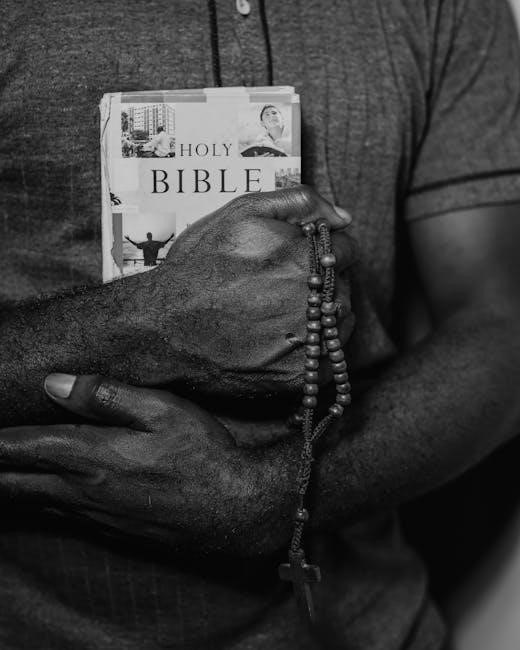
The Church of Alexandria‚ in Egypt‚ was renowned as a leading intellectual hub‚ attracting scholars and fostering theological debate. Its influence spread throughout the Mediterranean world. Moreover‚ African Christians played a crucial role in preserving and transmitting biblical texts.
Evidence suggests substantial African participation in missionary work‚ spreading the Gospel across North Africa and beyond. The early church was remarkably diverse‚ and the contributions of African Christians were integral to its growth and development. Ignoring this history presents an incomplete and Eurocentric view of Christianity’s origins‚ obscuring the vital role played by African believers from the very beginning.
XVIII. Conclusion: Reclaiming Black Heritage in Biblical Studies
This exploration demonstrates that the Black presence within the biblical narrative is not merely incidental‚ but integral to a comprehensive understanding of scripture and early Christian history. For too long‚ Eurocentric interpretations have dominated biblical scholarship‚ marginalizing or dismissing the contributions and experiences of Black and African peoples.
Reclaiming this heritage necessitates a critical re-evaluation of traditional interpretations‚ acknowledging the biases that have shaped them. It requires centering the voices and perspectives of Black scholars and communities‚ allowing them to engage with the text on their own terms.

Recognizing the African and Black presence in the Bible isn’t about imposing a modern racial framework onto ancient texts‚ but about accurately reflecting the historical and cultural realities of the biblical world. It’s about acknowledging the diversity of God’s people throughout history.
Ultimately‚ a more inclusive and nuanced biblical scholarship enriches our understanding of faith‚ justice‚ and the universal scope of God’s love. It empowers Black Christians to connect with their spiritual roots and challenges all believers to confront the legacy of racial bias within religious institutions‚ fostering a more equitable and representative faith community.