The Ultimate Beach Parents Guide (Updated 12/09/2025)
Welcome! This comprehensive guide, updated today, 12/09/2025, provides essential tips for a safe and enjoyable beach experience with your children, covering everything from planning to post-beach care.

Beach days offer wonderful family memories, but require diligent safety measures. Prioritize lifeguard-patrolled beaches and understand flag warnings to assess water conditions. Rip currents pose a significant threat; knowing escape strategies is crucial – swim parallel to shore. Constant supervision prevents incidents, especially with young children.
Remember, quick responses to hazards like sand holes and marine life encounters are vital for a worry-free experience.
Planning Your Beach Day
Successful beach trips begin with careful planning! Select family-friendly beaches with amenities like restrooms and lifeguards. A comprehensive gear checklist – sunscreen, hats, towels, toys – is essential. Check the weather forecast and water temperature beforehand. Consider the beach’s opening hours, especially for holiday weekends, like the Fourth of July.
Pre-packing snacks and drinks saves time and money.
Choosing a Family-Friendly Beach
Prioritize safety and convenience! Look for beaches patrolled by lifeguards, offering a crucial layer of protection. Gentle slopes and calmer waters are ideal for young children. Consider beaches with readily available restrooms and shaded areas for respite from the sun. Beaches like Presque Isle’s Beach 8 and 11 open early.
Check for posted warnings about marine life or currents.
Essential Beach Gear Checklist
Pack smart for sun-safe fun! Include high-SPF sunscreen, hats, and UV-protective clothing. Bring plenty of water to stay hydrated, alongside healthy snacks. Don’t forget beach towels, a beach umbrella or tent for shade, and sand toys for entertainment. A basic first-aid kit is crucial for minor injuries.
Brightly colored clothing aids visibility!
Beach Safety: Protecting Your Little Ones
Prioritize safety first! Always choose lifeguarded beaches and familiarize yourself with beach flags and signs. Scan the sand for hazards like holes and debris. Constant vigilance is key; never leave children unsupervised near the water. Be aware of rip currents and know escape strategies – swim parallel to the shore.
Remember, quick responses save lives!
Understanding Beach Flags and Signs
Decoding beach warnings is crucial! Red flags indicate high hazard – no swimming allowed due to dangerous conditions. Yellow flags signal moderate hazard; exercise caution. Green flags mean low hazard, but remain vigilant. Pay attention to posted signs regarding marine life, currents, and local regulations.
Lifeguards use these to communicate risks!
Rip Current Awareness and Escape Strategies
Rip currents are powerful, channelized currents flowing away from shore. They don’t pull under water, but out to sea. Never swim against the current! Swim parallel to the shore until you escape its pull, then swim towards land. If unable, float and signal for help – don’t exhaust yourself!
Water Safety for Children
Constant, focused supervision is paramount when children are near water. Designate a “water watcher” who isn’t distracted. Age-appropriate activities are crucial; use flotation devices for non-swimmers. Teach children about beach flags and potential hazards. Always scan the sand for holes and check water temperature before entering.
Constant Supervision is Key
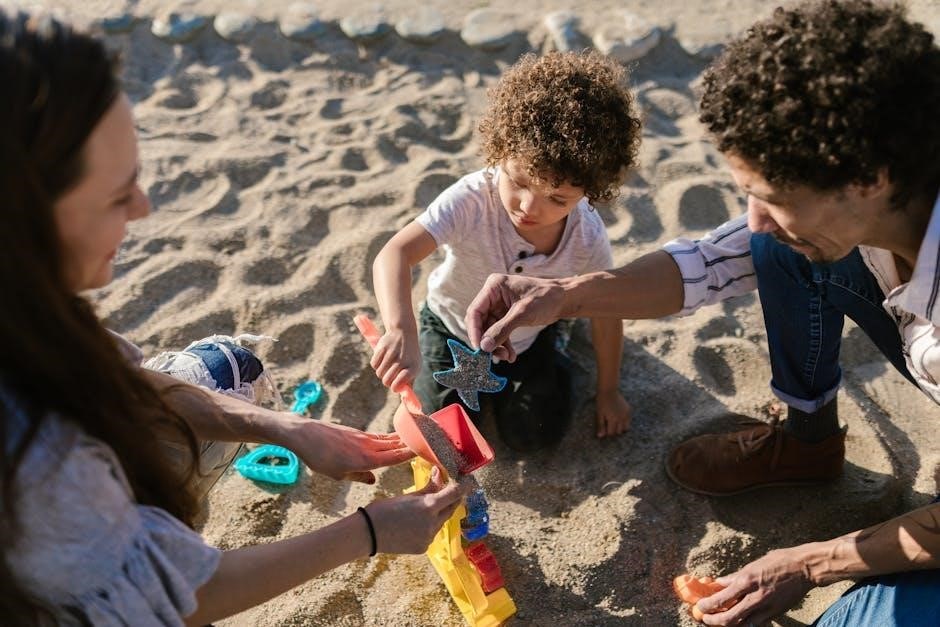
Never take your eyes off children near the water, even for a moment. Designate a dedicated “water watcher” whose sole focus is observing kids. Avoid distractions like phones or books. Remember, lifeguards aren’t substitutes for parental supervision. Active supervision dramatically reduces the risk of drowning and ensures a safer beach day.
Age-Appropriate Water Activities
Select water activities matching your child’s swimming ability and age. Young children should stay in shallow water with constant adult supervision. Consider using flotation devices approved by the Coast Guard. Older, stronger swimmers can enjoy deeper water, but still require watchful eyes. Avoid activities beyond their skill level to prevent accidents.
Sun Protection: Shielding Sensitive Skin
Protecting your child’s skin is paramount at the beach. Utilize broad-spectrum, water-resistant sunscreen with an SPF of 30 or higher, reapplying every two hours, and immediately after swimming. Combine sunscreen with protective clothing – hats, rash guards, and sunglasses – and seek shade during peak sun hours.
Choosing the Right Sunscreen
Select a broad-spectrum sunscreen protecting against UVA and UVB rays. Water resistance is crucial for beach activities, requiring reapplication after swimming or sweating. Consider mineral-based sunscreens containing zinc oxide or titanium dioxide, often gentler for sensitive skin. Always check the SPF – 30 or higher is recommended for adequate protection.
Protective Clothing and Shade
Supplement sunscreen with protective clothing like rash guards, wide-brimmed hats, and sunglasses to minimize sun exposure. Seek shade during peak sun hours, typically between 10 am and 4 pm. Utilize beach umbrellas, tents, or natural shade from trees when available. Remember, shade provides significant relief from harmful UV radiation.
Dealing with Common Beach Hazards
Be vigilant about potential dangers! Watch for sand holes and excavations, ensuring children don’t dig excessively deep tunnels. Be aware of marine life like jellyfish; know first aid for stings. Scan the sand for hazards and the water for changing conditions. Prioritize awareness to prevent accidents and ensure a safe environment.
Sand Holes and Excavations
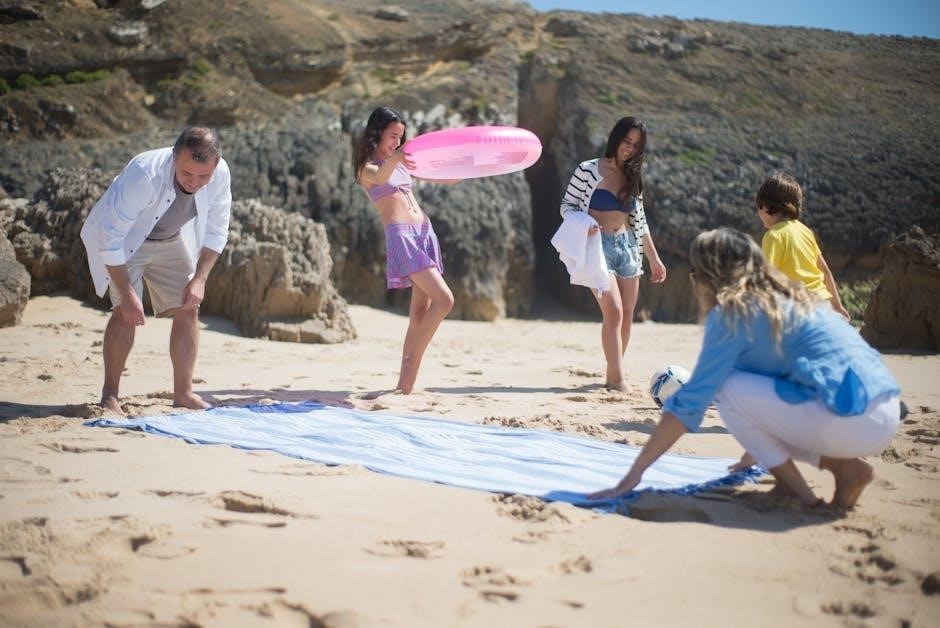
Deep sand holes pose a collapse risk, potentially trapping or suffocating children. Never allow digging deep tunnels or caves. Regularly inspect any excavations your children create. Emphasize the danger of unstable sand structures. Teach kids to fill holes before leaving, preventing tripping hazards for others enjoying the beach.
Marine Life Encounters (Jellyfish, etc.)
Be aware of potential marine life hazards like jellyfish, stingrays, and sharp shells. Teach children to shuffle their feet while wading to avoid stingrays. Know first aid for jellyfish stings – vinegar can help neutralize venom. Report any dangerous marine life sightings to lifeguards immediately, ensuring everyone’s safety.
Lost Child Prevention
Prioritize preventing lost children by establishing a designated meeting point easily identifiable on the beach. Dress kids in brightly colored clothing, making them easier to spot in a crowd. Regularly check in with your children and teach them to approach lifeguards or uniformed personnel if separated. Constant vigilance is key!
Designated Meeting Points
Before beach fun begins, select a clear, stationary landmark – a lifeguard stand, colorful umbrella, or specific building – as your family’s meeting point. Ensure children understand this location and can easily describe it. Practice walking there together. If separated, instruct them not to wander, but to stay put and await assistance at the designated spot.
Brightly Colored Clothing

Dress your children in vividly colored swimsuits or rash guards – neon pink, bright orange, or electric blue stand out easily in a crowd. Avoid patterns that blend with sand or water. This simple precaution dramatically increases visibility, making it easier to spot your little ones quickly if they wander from your sight on the busy beach.
First Aid Essentials for the Beach
Pack a well-stocked first-aid kit! Include bandages, antiseptic wipes, pain relievers, and blister treatment. Don’t forget sunscreen, aloe vera for sunburns, and sting relief for jellyfish encounters. Consider including tweezers for splinters and saline solution for rinsing eyes. Being prepared for minor injuries ensures a smoother, more comfortable beach day for everyone.
Basic First Aid Kit Contents
Your beach kit should contain adhesive bandages of various sizes, gauze pads, antiseptic wipes, and waterproof tape. Include pain relievers like ibuprofen or acetaminophen, and antibiotic ointment for cuts. Don’t forget tweezers, scissors, and a thermometer. Pack aloe vera for sunburns, and consider adding hydrocortisone cream for insect bites and rashes.
Treating Common Beach Injuries (Sunburn, Cuts, Stings)

For sunburn, apply cool compresses and aloe vera liberally. Minor cuts should be cleaned with antiseptic and covered with a bandage. Jellyfish stings require rinsing with seawater (not fresh water!) and applying a cold pack. Seek medical attention for severe reactions or deep wounds, prioritizing safety and prompt care.
Keeping Kids Entertained on the Beach
Spark creativity with classic sandcastle building and imaginative play! Organize beach games like frisbee or volleyball for active fun. Scavenger hunts for shells and interesting rocks keep little ones engaged. Remember buckets, shovels, and molds – essential tools for hours of entertainment, fostering joyful beach memories.
Beach Games and Activities
Boost family fun with engaging beach games! Frisbee, volleyball, and paddleball offer active entertainment. Beach bowling using water bottles and a ball is a hit. Organize a sandcastle competition with creative themes. Simple tag or chase games are always popular. Don’t forget a kite for breezy days – guaranteed smiles!
Building Sandcastles and Creative Play
Unleash imaginations with sandcastle construction! Buckets, shovels, and molds are essential tools. Encourage moat digging and shell decorations. Beyond castles, inspire sand sculptures – animals, cities, or abstract art. Collect seashells and seaweed for creative embellishments. Remember, the process is more important than perfection; enjoy the collaborative fun!
Beach Etiquette: Respecting Others and the Environment
Model responsible behavior! Leave no trace – pack out all trash. Respect wildlife; observe from a distance. Follow beach rules regarding pets, fires, and designated areas. Be mindful of noise levels, respecting others’ relaxation. Avoid disturbing dunes or vegetation. Teach children to share space and be considerate of fellow beachgoers.
Leaving No Trace Behind

Pack it in, pack it out! Remove all trash, food scraps, and belongings before leaving. Dispose of waste properly in designated receptacles. Avoid single-use plastics; opt for reusable containers. Refill water bottles instead of buying new ones. Leave natural items like shells and driftwood undisturbed for others to enjoy.
Respecting Wildlife and Beach Rules
Observe wildlife from a distance; never approach or feed marine animals. Be mindful of nesting areas for birds and turtles. Adhere to all posted beach regulations, including those regarding pets, fires, and alcohol. Respect designated swimming areas and lifeguard instructions. Protect the delicate ecosystem by avoiding disturbance of dunes and vegetation.
Lifeguard Awareness and Emergency Procedures
Locate lifeguard stations upon arrival and familiarize yourselves with their positions. Understand the meaning of beach flags – they indicate current water conditions. Know how to signal for help; use a whistle or brightly colored item. If someone needs assistance, alert a lifeguard immediately; do not attempt a rescue yourself. Cooperate fully with lifeguard instructions during emergencies.
Locating Lifeguard Stations
Upon arriving at the beach, immediately identify the locations of all lifeguard stations. These stations are typically marked with prominent flags and towers. Note their positions in relation to your chosen spot on the sand. Lifeguards provide crucial safety oversight, so proximity is beneficial. Familiarize children with where to find them in case of an emergency.

Knowing How to Signal for Help
Understand how to effectively signal lifeguards during an emergency. Wave your arms overhead in a clear, repeating motion. Use a brightly colored item, like a towel, to increase visibility. Clearly and loudly shout for assistance if possible. Teach children these signals beforehand, ensuring they know what to do if they or someone else needs help. Prompt action can save lives.
Hydration and Nutrition on the Beach

Staying hydrated is crucial, especially in the heat! Pack plenty of water and encourage frequent sips throughout the day. Avoid sugary drinks, which can actually dehydrate. Opt for healthy snacks like fruits, vegetables, and whole-grain crackers. Pack a cooler to keep food fresh and prevent spoilage. Proper nourishment ensures energy and well-being.
Staying Hydrated in the Heat
Dehydration is a serious risk at the beach, particularly for children. Offer water frequently, even if they don’t ask. Avoid juice and soda, favoring plain water for optimal hydration. Recognize dehydration signs – thirst, dry mouth, and decreased urination. Bring reusable water bottles and refill them often. Electrolyte drinks can be helpful for extended sun exposure.
Healthy Beach Snacks and Meals
Pack nutritious snacks to fuel beach adventures! Opt for fruits like grapes and watermelon, providing hydration and vitamins. Include veggies with hummus for a satisfying crunch. Sandwiches on whole-wheat bread with lean protein are excellent choices. Avoid sugary treats that lead to energy crashes. Keep food cool in an insulated cooler to prevent spoilage.
Post-Beach Care: Soothing Sun and Sand
Prioritize after-sun care with a gentle moisturizer to soothe skin. Cool showers help remove salt and sand, preventing irritation. Thoroughly rinse swimsuits and towels to avoid mildew. Check for sunburn and apply aloe vera if needed. Hydrate with plenty of water to replenish fluids lost during sun exposure. Remove all sand!
After-Sun Skincare
Immediately following sun exposure, gently cleanse skin to remove salt and sand. Apply a generous amount of aloe vera or a fragrance-free moisturizer to soothe and hydrate. Look for products containing calming ingredients like chamomile. Avoid harsh soaps that can further dry out skin. Monitor for redness or blistering, seeking medical attention if needed.
Removing Sand and Preventing Chafing
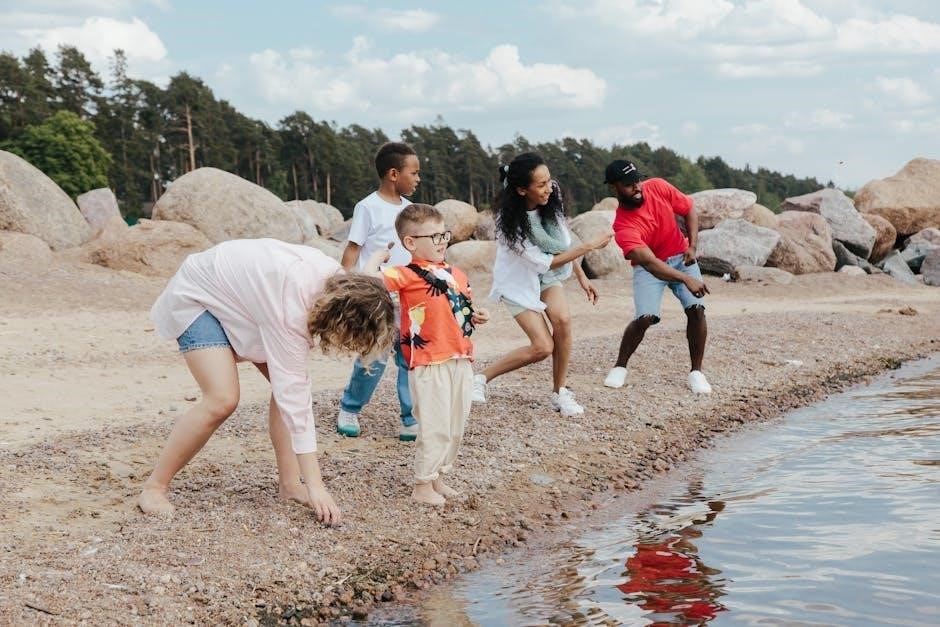
Thoroughly rinse with fresh water to remove lingering sand; baby powder can help lift it away. Gently pat skin dry, avoiding vigorous rubbing. Apply a barrier cream, like petroleum jelly, to areas prone to chafing – inner thighs, armpits. Consider loose-fitting clothing post-beach to minimize friction and irritation, ensuring comfort for everyone.
Resources for Beach Safety Information
For comprehensive guidance, visit the RNLI (Royal National Lifeboat Institution) website, offering vital water safety advice. Explore local beach patrol websites for specific conditions and flag meanings. Stay informed about rip currents and emergency procedures. Utilize these resources to enhance your family’s beach safety knowledge and preparedness for a worry-free outing.
RNLI (Royal National Lifeboat Institution)
The RNLI provides invaluable resources, including detailed guidance on identifying and escaping rip currents – a critical skill for beachgoers. Their website offers educational materials, safety advice, and information about lifeguard services. Remember their urgent tip: if in difficulty, float to conserve energy and signal for help; never swim against a rip current.
Local Beach Patrol Websites
Always check the website of the specific beach you plan to visit for the most current information. These sites often detail daily conditions, flag warnings, recent marine life sightings (like jellyfish), and specific beach rules. Jacksonville Beach Ocean Rescue exemplifies proactive safety measures, watching for wandering children, demonstrating the value of local patrols.