Tim O’Brien’s collection masterfully blends fiction and reality, challenging conventional notions of truth within war narratives, exploring trauma’s impact, and redefining storytelling.
Context of Tim O’Brien’s Work
Tim O’Brien, a Vietnam War veteran, profoundly shapes his writing with firsthand experiences, blurring lines between memoir and fiction. His work isn’t about recounting events as they happened, but rather exploring the truth of the war – the emotional and psychological realities.
He grapples with the inadequacy of traditional storytelling to convey the complexities of trauma, leading to experimental techniques. O’Brien’s exploration resonates with a broader postmodern questioning of objective truth, particularly within the context of deeply personal and harrowing experiences like warfare.
The Challenge of Representing War
Representing war authentically presents a unique challenge; traditional narratives often fall short, leaning towards heroism or moralizing, obscuring the messy, terrifying realities. O’Brien confronts this by acknowledging the interplay of fiction and truth, suggesting that “true” war stories aren’t necessarily factual accounts.
The emotional weight and subjective experience become paramount, demanding a departure from straightforward reporting. He emphasizes fear, unusual situations, and the difficulty of pinning down definitive truth, highlighting the inherent limitations of language itself.

Analyzing Truth and Fiction in War Narratives
O’Brien deliberately blurs lines between fact and fiction, demonstrating how storytelling itself becomes a crucial mechanism for conveying the emotional and psychological truths of war.
The Interplay of Fiction and Truth
O’Brien argues that “true” war stories aren’t necessarily factual accounts; instead, they capture the emotional truth, even if achieved through fictional embellishment. He utilizes experimental techniques, intentionally interweaving fabricated details with realistic elements. This deliberate blurring challenges readers to question the nature of truth itself, recognizing that complete objectivity in recounting traumatic experiences is often unattainable. The stories prioritize conveying the feeling of war, rather than strict adherence to verifiable events, highlighting the complex relationship between memory, perception, and narrative construction.
Deconstructing the Concept of “Truth” in War
O’Brien dismantles the idea of a singular, definitive “truth” in war, suggesting it’s a subjective and elusive construct. He posits that storytelling becomes the truth, prioritizing emotional resonance over factual accuracy. Sanders’ story exemplifies this – its “nearly true” nature hinges on the desire to believe, not verifiable details. This challenges traditional notions of historical reporting, emphasizing that the experience of war is often fragmented, unreliable, and ultimately, shaped by individual perception and the act of narration itself.
O’Brien’s Experimental Techniques
O’Brien employs a postmodern approach, blurring the lines between fiction and reality through metafiction and fragmented narratives. He intentionally disrupts linear storytelling, repeating motifs and shifting perspectives to mirror the disorienting nature of trauma. This deliberate ambiguity forces readers to question the reliability of the narrator and the very concept of truth. His techniques aren’t about deception, but about conveying the feeling of truth – the emotional weight of war – beyond the limitations of factual representation.
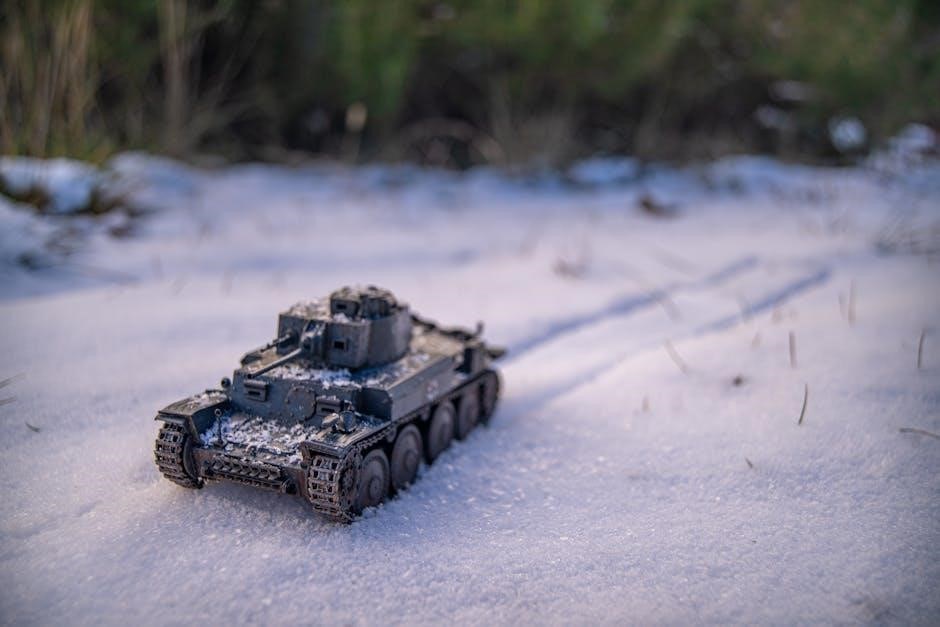
Key Motifs in “How to Tell a True War Story”
Central motifs include storytelling’s power, rejecting war generalizations, and deconstructing “truth,” revealing how memory, trauma, and subjective experience shape narratives.
The Nature of Storytelling as a Mechanism
O’Brien portrays storytelling not merely as recounting events, but as a vital coping mechanism and a means of confronting trauma. Stories become a way to process, remember, and ultimately, to feel the truth of war, even if factual accuracy is compromised. He suggests that “true” war stories aren’t about what happened, but about what feels true – the emotional resonance and the burden of memory. This mechanism allows soldiers, and readers, to grapple with the complexities and ambiguities inherent in wartime experiences, forging a connection beyond simple factual reporting.
Rejection of Generalizations About War
O’Brien actively resists offering sweeping statements or universal truths about the Vietnam War, or war in general. He emphasizes the intensely personal and subjective nature of combat experiences, highlighting fear, confusion, and the bizarre. Instead of grand narratives of heroism or patriotism, he focuses on the granular details and uncomfortable realities, rejecting simplistic moralizing. This deliberate choice underscores the impossibility of encapsulating the totality of war within a single, coherent framework, demanding individual engagement with each story.
The Role of Memory and Trauma
Memory functions as a central, yet unreliable, force in O’Brien’s work, profoundly shaped by trauma. Stories are not recalled as objective facts, but reconstructed and re-experienced, often fragmented and emotionally charged. The act of storytelling itself becomes a coping mechanism, a way to grapple with the lingering effects of war. This fragility of memory highlights the subjective nature of truth, where emotional resonance often outweighs factual accuracy, revealing the enduring power of trauma.
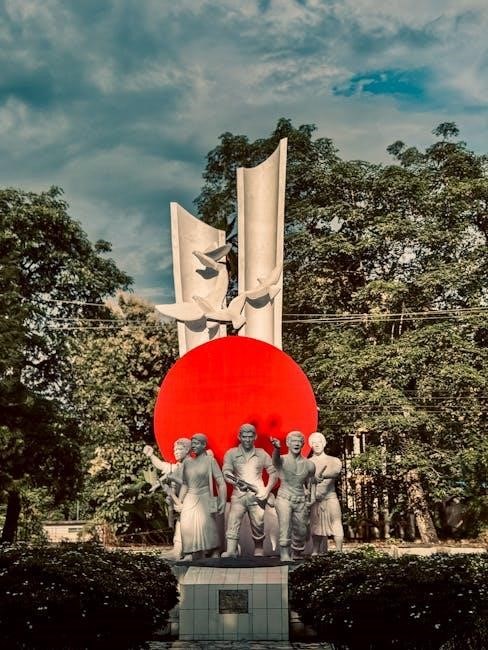
Specific Story Analysis: Sanders’ Story
Sanders’ tale exemplifies “nearly true” narratives, driven by a desperate need for belief and the elusive pursuit of definitive, verifiable truth within recollection.
“Nearly True” – The Kernel of Truth
O’Brien’s concept of “nearly true” acknowledges that absolute factual accuracy is often unattainable, and perhaps irrelevant, in conveying the emotional and psychological realities of war. Sanders’ story, while potentially embellished, possesses a “kernel of truth” – a core emotional resonance that transcends literal correctness.
The author notes Sanders’ fervent desire for validation, his frustration at imperfect recall, and the inherent difficulty in establishing a singular, definitive truth about past events. This highlights the subjective nature of memory and the power of storytelling to shape perception.
Sanders’ Desire for Belief
Sanders’ intense need for O’Brien to believe his story reveals a deeper yearning for validation and a desire to make sense of his traumatic experiences. He isn’t simply recounting events; he’s seeking confirmation of their reality and, by extension, his own.
This desperation underscores the psychological burden carried by soldiers and the profound impact of war on their sense of self. The need to be believed becomes intertwined with the need to process and integrate the horrors witnessed.
The Difficulty of Pinning Down Definitive Truth
O’Brien emphasizes the elusiveness of “definitive truth” in war stories, suggesting that absolute accuracy is often unattainable and perhaps even irrelevant. Sanders’ struggle to recall precise details highlights how memory is fallible, especially when shaped by trauma.
The focus shifts from factual correctness to emotional resonance, implying that a “true” war story isn’t necessarily about what happened, but about how it felt and the lasting impact it had.
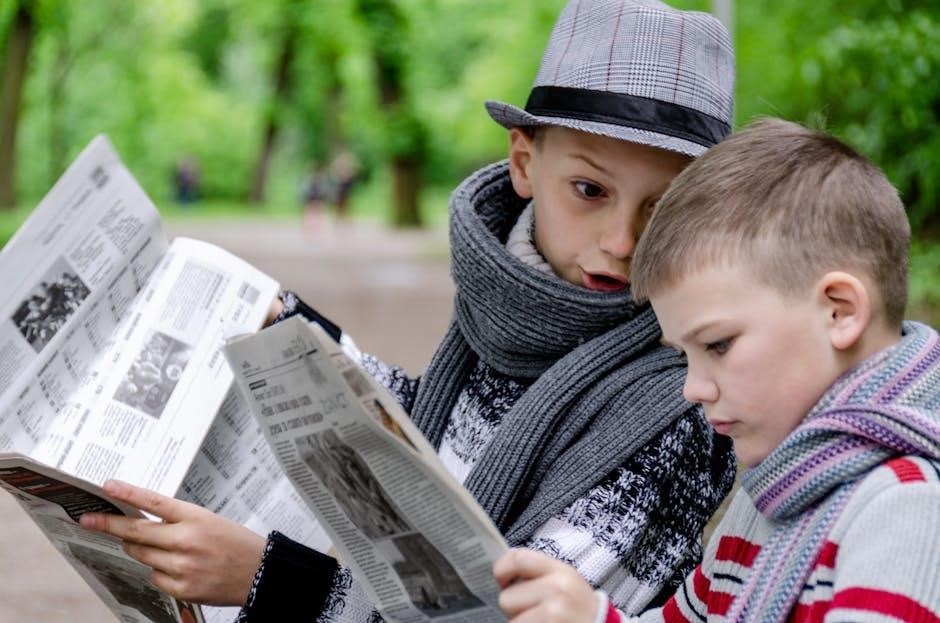
The Critique of Heroic War Narratives
O’Brien deconstructs idealized portrayals, labeling them “a very old and terrible lie,” prioritizing fear, unusual experiences, and emotional honesty over traditional heroism.
“A Very Old and Terrible Lie”
O’Brien’s phrase, “a very old and terrible lie,” directly challenges the romanticized narratives often associated with warfare. These heroic tales, while intending to inspire, frequently distort the brutal realities experienced by soldiers. They often neglect the pervasive fear, moral ambiguities, and psychological trauma inherent in combat.
Instead of focusing on valor and sacrifice, O’Brien suggests authentic war stories center on the uncomfortable truths – the things people are afraid to admit, the complexities of love and loss, and the enduring impact of grief.
The Distortion of Facts in Heroic Tales
Heroic war narratives frequently prioritize inspiring a sense of national pride over accurately portraying the lived experiences of soldiers. This often leads to a selective presentation of facts, emphasizing bravery and minimizing the chaos, fear, and moral compromises inherent in conflict.
Such distortions can obscure the true cost of war, failing to acknowledge the psychological scars and the uncomfortable realities faced by those who fight. O’Brien critiques this tendency, advocating for stories grounded in emotional honesty.
Focus on Fear and Unusual Situations
O’Brien deliberately shifts the focus away from traditional heroic tropes, instead centering on the pervasive fear and the bizarre, often unsettling, situations encountered in Vietnam. He argues that true war stories aren’t about valor or sacrifice, but about the primal instincts for survival and the psychological toll of constant threat.
These narratives prioritize the uncomfortable realities, showcasing the messy, chaotic, and often illogical nature of combat, rejecting idealized portrayals.

Identifying Authentic War Stories
Authenticity lies in emotional honesty and distrust of moralizing narratives; seek stories that confront uncomfortable realities and avoid simplistic portrayals of conflict.
Distrusting Moralizing Narratives
O’Brien cautions against narratives steeped in morality, suggesting they often obscure genuine experiences. If a war story feels overtly “moral,” skepticism is warranted. Authentic accounts prioritize fear, unusual circumstances, and the raw emotional landscape of conflict over simplistic notions of heroism or sacrifice.
These narratives frequently distort facts, presenting a curated, often misleading, version of events, prioritizing inspiration over truthful representation.
The Importance of Emotional Honesty
Genuine war stories, according to O’Brien, prioritize emotional truth over factual accuracy. They delve into the uncomfortable realities of fear, grief, and the psychological toll of combat. This honesty isn’t about presenting a sanitized version of events, but rather acknowledging the messy, often contradictory, nature of human experience during wartime.
Focusing on feelings validates the soldier’s internal world, offering a more profound understanding of conflict’s impact.
Focus on the Uncomfortable Realities
Authentic war narratives often eschew heroic portrayals, instead centering on fear, unusual situations, and the moral ambiguities inherent in conflict. O’Brien cautions against trusting moralizing stories, suggesting they often obscure the true, unsettling nature of war. These accounts prioritize depicting the raw, visceral experiences that challenge conventional notions of bravery and sacrifice.
They reveal the human cost beyond patriotic narratives.

Graphic Nonfiction and War Stories
Alex de Campi and Khai Krumbhaar paired military personnel with comic artists, powerfully conveying real war stories through visual storytelling and graphic nonfiction.
Alex de Campi and Khai Krumbhaar’s Project
Alex de Campi, a multiple-Eisner nominated writer/editor, collaborated with Khai Krumbhaar, an Iraq War veteran, to create a unique graphic nonfiction project. This endeavor skillfully pairs members of the US military with prominent comic artists.
Their goal was to share authentic war stories directly from those who experienced them, resulting in an entertaining and profoundly moving work. The project spans the globe, representing nearly every branch of the military and diverse experiences.
Pairing Military Personnel with Comic Artists
De Campi and Krumbhaar’s innovative approach centers on directly connecting military personnel with skilled comic artists. This collaboration allows for a powerful translation of lived experiences into a visual medium, enhancing emotional impact and accessibility.
By merging firsthand accounts with artistic interpretation, the project transcends traditional war narratives. It offers a compelling and nuanced portrayal of conflict, moving beyond simple heroism or harrowing tales to capture the full spectrum of wartime realities.
The Power of Visual Storytelling in War Accounts
Graphic nonfiction uniquely amplifies the emotional resonance of war stories. Combining text and imagery creates a visceral experience, allowing readers to connect with the narratives on a deeper level than prose alone.
The visual medium effectively conveys the complexities of trauma and the often-unspoken realities of conflict. This project demonstrates how comics can serve as a potent tool for preserving and sharing authentic war experiences, reaching wider audiences.

Themes Across Multiple War Stories
War stories frequently explore heartwarming moments, acts of heroism, and harrowing experiences, often blending humor with the grim realities of conflict and loss.
Heartwarming Experiences
Despite the pervasive trauma, collections reveal moments of unexpected connection and kindness amidst conflict. These stories often highlight shared humanity, offering glimpses of compassion between soldiers or with civilians. They demonstrate resilience and the enduring power of hope, even in the darkest circumstances.
These experiences, though perhaps less prominent, provide crucial counterpoints to the brutality of war, showcasing the capacity for empathy and the search for normalcy.
Heroic Acts
While often romanticized, genuine acts of courage emerge within these narratives, though frequently devoid of traditional fanfare. These aren’t always grand gestures, but rather quiet displays of selflessness – risking personal safety to aid comrades, or extending compassion in dire situations.
However, O’Brien cautions against accepting solely heroic portrayals, suggesting they often obscure the complex realities and pervasive fear inherent in warfare.
Harrowing Experiences
The collection doesn’t shy away from depicting the brutal and psychologically damaging aspects of war; Stories detail intense fear, witnessing horrific injuries, and grappling with the moral ambiguities of combat. These accounts prioritize emotional honesty over glorification, revealing the lasting trauma experienced by soldiers.
These experiences often involve uncomfortable realities, challenging readers to confront the darker side of conflict and its profound impact on the human psyche.
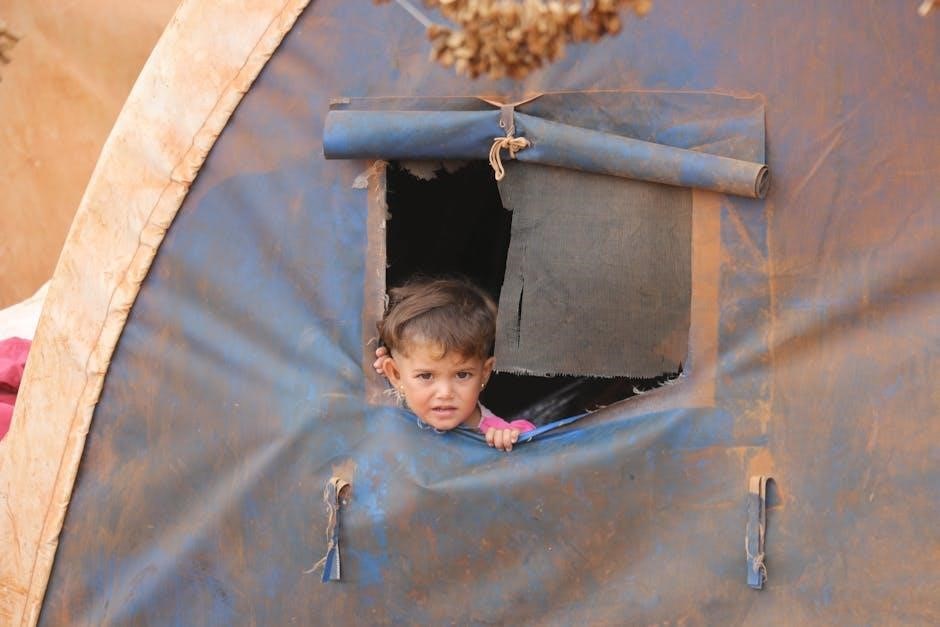
The Global Scope of War Stories
This project features diverse perspectives from various military branches, spanning the globe, showcasing the universality of war’s impact and shared human experiences.
Representation from Various Military Branches
The graphic nonfiction project impressively represents nearly every branch of the U.S. military, offering a broad spectrum of wartime experiences. This inclusivity ensures a multifaceted portrayal of conflict, moving beyond singular narratives. Stories originate from individuals across diverse roles and deployments, enriching the collection with varied perspectives. This wide representation highlights that war’s impact isn’t confined to combat roles, but extends to all who serve, fostering a more complete understanding.
Diverse Perspectives on Conflict
This unique project pairs military personnel directly with comic artists, fostering authentic storytelling and varied viewpoints. The resulting narratives span the globe, showcasing conflicts beyond a single geographical focus. Experiences range from heartwarming to harrowing, even humorous, demonstrating war’s complex emotional landscape. This diversity challenges monolithic portrayals, revealing the subjective and deeply personal nature of wartime realities, and enriching understanding.
The Universality of War’s Impact
Despite diverse experiences across branches and global locations, a common thread emerges: war profoundly impacts individuals. Stories reveal shared emotions – fear, loss, love, and sorrow – transcending cultural and national boundaries. This collection highlights the enduring human cost of conflict, demonstrating that trauma and the search for meaning are universal experiences. The narratives underscore war’s lasting psychological and emotional toll on all involved.
The Role of Love, Sorrow, and Memory
Personal connections in wartime, the sting of loss, and the fragile nature of memory profoundly shape narratives, revealing war’s emotional core and lasting effects.
Exploring Personal Connections in Wartime
O’Brien emphasizes that war stories aren’t solely about grand strategies or heroic feats; they’re deeply rooted in individual relationships and emotional experiences. Love, longing, and the memories of those left behind become central to understanding a soldier’s reality. These personal connections humanize the conflict, moving beyond abstract notions of duty and sacrifice. They reveal the vulnerability and emotional toll experienced by those serving, highlighting the profound impact of war on the human heart and spirit.
The Impact of Loss and Grief
War inevitably brings immense loss and grief, shaping the narratives soldiers carry home. O’Brien illustrates how these experiences aren’t easily articulated, often manifesting as haunting memories and emotional scars. The stories grapple with the weight of fallen comrades and the enduring sorrow of those left behind, demonstrating how grief permeates every aspect of a veteran’s life. This exploration reveals the lasting psychological consequences of conflict and the difficulty of processing profound trauma.
The Fragility of Memory in Traumatic Contexts
O’Brien highlights how trauma profoundly impacts memory, rendering recollections fragmented and unreliable. Stories shift and evolve, not due to deliberate falsehoods, but because traumatic events are difficult to process and retain accurately. The mind attempts to cope, sometimes altering details or filling gaps, blurring the line between what happened and what feels true. This fragility underscores the subjective nature of war stories and the challenge of accessing definitive truth.
War storytelling remains complex, demanding critical engagement and authentic voices; truth isn’t singular, but a multifaceted exploration of experience and memory.
The Complexity of War Storytelling
O’Brien’s work reveals that pinpointing a definitive “truth” in war is often impossible; stories become layered with emotion, memory, and the inherent subjectivity of experience. The interplay between fiction and reality blurs, forcing readers to question the nature of truth itself.
Authentic war narratives prioritize emotional honesty over factual precision, acknowledging fear, trauma, and the uncomfortable realities often absent from heroic tales. This complexity demands critical engagement from the audience.
The Importance of Critical Engagement
Readers must approach war stories with skepticism, distrusting narratives that prioritize moralizing or heroic portrayals. Instead, focus on stories that embrace emotional honesty and acknowledge the uncomfortable realities of conflict.
O’Brien’s techniques necessitate active participation; questioning details, recognizing the subjective nature of memory, and understanding the power of storytelling to both reveal and obscure truth are crucial for meaningful interpretation.
The Ongoing Need for Authentic Voices
The graphic nonfiction project by Alex de Campi and Khai Krumbhaar exemplifies this need, pairing military personnel directly with comic artists to share unfiltered experiences. This approach prioritizes genuine accounts, moving beyond traditional, often-distorted, heroic narratives.
Continuing to seek and amplify these authentic voices ensures a more comprehensive and honest understanding of war’s complexities, fostering empathy and critical reflection on its lasting impact.