Navigating GE washing machine issues becomes simpler with a dedicated repair manual‚ offering detailed instructions and parts lists for effective troubleshooting and appliance fixes.
Importance of a Repair Manual
A comprehensive general electric washing machine repair manual is absolutely crucial for anyone attempting DIY repairs. These manuals aren’t just collections of diagrams; they are detailed guides providing step-by-step instructions‚ essential for both safety and successful outcomes. They empower you to accurately diagnose problems‚ understand the intricate workings of your appliance‚ and identify the correct replacement parts.
Without a manual‚ repairs can become frustrating‚ time-consuming‚ and potentially dangerous. A manual ensures you understand the specific components of your model‚ avoiding guesswork and minimizing the risk of further damage. Furthermore‚ they often include troubleshooting guides‚ helping pinpoint the root cause of issues like draining problems or noisy operation. Accessing the right manual is the first‚ and most important‚ step towards restoring your GE washer to optimal performance.
Safety Precautions Before Repair
Before commencing any general electric washing machine repair‚ prioritizing safety is paramount. Always‚ and without exception‚ disconnect the appliance from its power source – unplug it from the electrical outlet. This prevents the risk of electric shock. Turn off the water supply valves to the washer‚ halting water flow and preventing potential flooding during component removal or replacement.
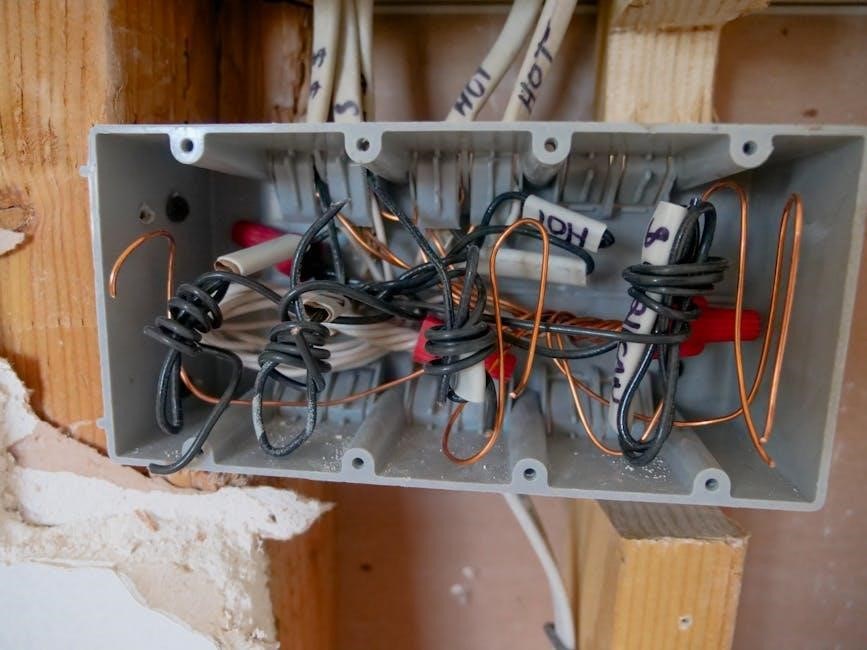
Consult your repair manual for specific safety warnings related to your model. Wear appropriate personal protective equipment‚ such as gloves‚ to shield your hands. Be mindful of sharp edges on internal components. If you are uncomfortable with any aspect of the repair‚ or lack the necessary skills‚ it’s best to consult a qualified appliance technician. Never attempt repairs while the machine is still connected to power or water.
Common GE Washing Machine Problems
GE washers can experience issues like failing to start‚ draining inadequately‚ leaking water‚ or producing excessive noise during operation – a repair manual helps diagnose these.

Washer Won’t Start
When your GE washing machine refuses to start‚ a systematic approach guided by the repair manual is crucial. Begin by verifying the power supply – ensure the machine is properly plugged into a functioning outlet and that the circuit breaker hasn’t tripped. The manual details how to check the lid switch‚ a common culprit preventing operation; a faulty switch signals the machine the lid isn’t securely closed.
Further investigation‚ as outlined in the manual‚ involves inspecting the motor control board and the timer. A defective motor control board can disrupt the power flow to the motor‚ while a malfunctioning timer might not advance through the wash cycle. Using a multimeter‚ as the manual instructs‚ allows you to test for continuity and voltage‚ pinpointing electrical faults. Always disconnect power before any electrical testing! The repair manual’s wiring diagrams are invaluable for tracing circuits and identifying potential issues.
Washer Won’t Drain
A GE washing machine failing to drain is a frequent issue addressed comprehensively in the repair manual. The primary suspect is often the drain pump – the manual provides detailed instructions on locating and testing it for obstructions or electrical failure. Before disassembly‚ check the drain hose for kinks or clogs‚ a simple fix often overlooked.
The repair manual illustrates how to access the pump‚ typically located at the bottom of the machine‚ and guides you through checking for debris like lint‚ coins‚ or small articles of clothing. If the pump appears clear‚ use a multimeter (following the manual’s safety guidelines) to test its continuity. A faulty pump requires replacement. Additionally‚ the manual explains how to inspect the drain pump timer and associated wiring for potential problems preventing pump activation. Remember to disconnect power before any electrical work!
Washer is Leaking Water
Water leaks in a GE washing machine‚ detailed in the repair manual‚ can stem from various sources. The manual emphasizes checking the water inlet hoses and drain hose connections first‚ ensuring they are tight and undamaged. Inspect the door boot (gasket) for tears or debris‚ as this is a common leak point‚ and the manual provides diagrams for proper inspection and potential replacement.
Further troubleshooting‚ guided by the manual‚ involves examining the pump‚ tub seal‚ and internal hoses. The manual illustrates how to access these components and identify signs of wear or damage. It also details how to test the water level switch‚ as a malfunctioning switch can cause overfilling and subsequent leaks. Always disconnect power before inspecting internal components. The repair manual’s parts diagrams are invaluable for identifying the correct replacement parts.
Washer is Noisy During Operation
A noisy GE washing machine‚ as addressed in the repair manual‚ often indicates mechanical issues. The manual directs users to first check for obstructions – coins‚ buttons‚ or small items – lodged between the inner and outer tubs. It provides detailed disassembly instructions to access these areas safely. Common noise sources include worn bearings‚ a failing motor‚ or a damaged pump.
The repair manual emphasizes diagnosing the source of the noise: grinding sounds suggest bearing problems‚ while rattling often points to loose objects. It includes diagrams illustrating how to test the motor for proper operation and how to inspect the pump for wear. Belt slippage or wear is another potential cause‚ and the manual guides users through belt replacement procedures. Always consult the manual’s safety precautions before attempting any repairs involving moving parts.
Troubleshooting Steps
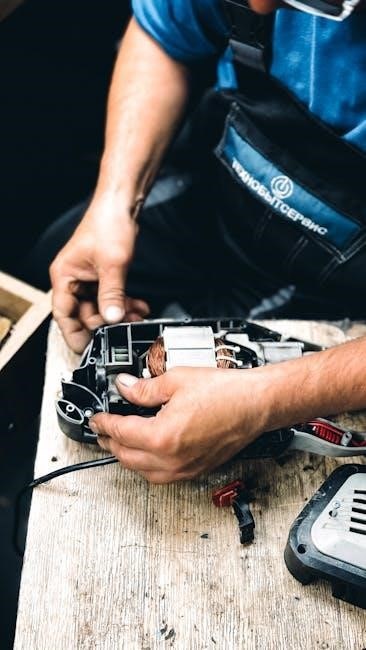
The GE repair manual guides users through systematic diagnosis‚ utilizing electrical testing and mechanical fault identification to pinpoint the root cause of appliance issues.
Diagnosing Electrical Issues
Electrical problems within a GE washing machine often manifest as a complete failure to start‚ intermittent operation‚ or error codes displayed on the control panel. A comprehensive repair manual is crucial for safely and effectively diagnosing these issues. Begin by visually inspecting the power cord‚ connections‚ and the main control board for any signs of damage‚ such as burning or corrosion.
The manual will detail how to use a multimeter to test for voltage at various points in the circuit‚ confirming power supply to key components like the motor‚ timer‚ and water inlet valve. Understanding wiring diagrams‚ readily available in the manual‚ is essential for tracing circuits and identifying breaks or shorts. Always disconnect power before conducting any electrical tests‚ prioritizing safety. The manual will also guide you through testing continuity to ensure proper connections and identify faulty components needing replacement.
Identifying Mechanical Faults
Mechanical failures in GE washing machines often present as unusual noises‚ failure to spin or drain‚ or physical damage to components. A detailed repair manual is invaluable for pinpointing these issues. Start by visually inspecting the drive belt for wear and tear‚ ensuring it’s properly tensioned and aligned. The manual provides diagrams illustrating correct belt routing and tensioning procedures.
Next‚ examine the pump for obstructions‚ such as lint or small objects‚ which can prevent proper draining. The manual will guide you through pump disassembly and cleaning. Check the motor coupling for cracks or breakage‚ as this component often fails and causes the drum to stop spinning. Furthermore‚ inspect the suspension rods and springs for damage‚ as these contribute to excessive vibration. The repair manual offers detailed instructions for replacing these parts‚ ensuring smooth and quiet operation.
Using a Multimeter for Testing
A multimeter is crucial for diagnosing electrical faults within your GE washing machine‚ as detailed in the repair manual. Begin by testing the continuity of wires and connections to identify breaks or shorts. The manual’s wiring diagrams are essential for accurate testing. To check the motor windings‚ set the multimeter to ohms and measure the resistance; deviations from the manual’s specified values indicate a faulty motor.
Similarly‚ test the water inlet valve’s solenoid for continuity. A lack of continuity suggests a failed valve. When testing the timer or control board‚ carefully follow the manual’s instructions for identifying test points and interpreting voltage readings. Always disconnect power before performing electrical tests and exercise caution to avoid electric shock. The repair manual provides safety guidelines and component specifications for precise multimeter usage.

Key Components and Their Repair
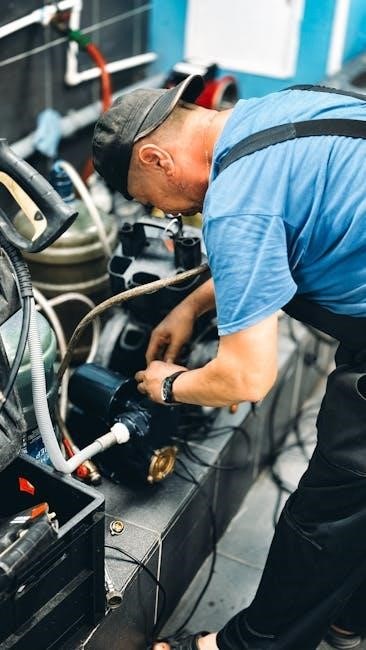
The GE repair manual details procedures for replacing vital parts like motors‚ pumps‚ belts‚ and inlet valves‚ ensuring your washing machine operates efficiently again.
Motor Replacement
The GE washing machine repair manual provides step-by-step guidance for motor replacement‚ a task often requiring disconnecting electrical connections and removing the drive belt. Begin by disconnecting power and accessing the motor‚ typically located at the base of the machine.
Detailed diagrams within the manual illustrate proper wiring configurations and component placement. Carefully note the original wiring before disconnecting anything‚ or take pictures for reference. Removing the old motor involves unbolting it from the frame and detaching any connected hoses or wires;
Installation of the new motor follows the reverse process‚ ensuring secure bolting and correct wiring. The manual emphasizes verifying the motor’s rotation direction before reassembling the machine. Proper motor replacement‚ guided by the manual‚ restores the washer’s spinning functionality.
Pump Replacement
The GE washing machine repair manual details pump replacement‚ crucial when dealing with drainage issues. Accessing the pump usually involves removing the front or rear panel of the washer‚ depending on the model. The manual’s diagrams pinpoint the pump’s exact location and illustrate the necessary disassembly steps.
Before disconnecting the old pump‚ the manual stresses the importance of draining any remaining water to avoid spills. Disconnect the electrical connector and hose clamps securing the pump to the washer. Note the hose routing for correct reassembly. Installing the new pump involves reversing these steps‚ ensuring tight hose clamps to prevent leaks.
The manual often includes torque specifications for securing the pump. Post-installation‚ a test cycle is recommended to verify proper drainage and confirm the repair’s success‚ guided by the manual’s troubleshooting section.
Belt Replacement
A GE washing machine repair manual guides users through belt replacement‚ a common fix for issues like a drum that won’t spin. The manual’s parts diagrams clearly identify the correct belt for your specific model‚ preventing compatibility errors. Access typically requires removing the cabinet or access panel‚ detailed step-by-step in the manual.
Before removing the old belt‚ the manual advises noting its routing around the motor pulley and drum. This is crucial for correct installation of the new belt. The manual illustrates how to release tension on the belt tensioner‚ allowing for easy removal. Installing the new belt involves reversing this process‚ ensuring it’s properly seated in the grooves.
The manual may include specific tensioning instructions. A test run confirms proper operation and belt alignment‚ as outlined in the troubleshooting section.
Water Inlet Valve Repair
The GE washing machine repair manual details water inlet valve repair‚ addressing issues like no water entering the machine or continuous water flow. The manual’s diagrams pinpoint the valve’s location‚ usually at the back of the appliance‚ connected to the water supply hoses. Disconnecting power and water are emphasized as critical safety steps before beginning.
The manual guides you through removing the valve‚ often secured with screws or clips. It explains how to test the valve’s solenoids using a multimeter‚ identifying if one or both are faulty. Replacement involves installing a new valve‚ ensuring proper sealing with rubber gaskets (often included with the new part).
The manual stresses verifying the screen filters within the valve are clean to prevent blockages. Reconnecting the water hoses and testing for leaks completes the repair‚ as detailed in the troubleshooting section.
Finding and Using Repair Manuals
Locate the correct GE repair manual using your model number; online resources and parts diagrams are essential for understanding components and effective appliance repairs.
Locating the Correct Manual for Your Model
Successfully repairing your GE washing machine hinges on obtaining the precise repair manual tailored to your specific model. GE manufactures a vast array of washing machine models‚ each with unique components and repair procedures. Therefore‚ a manual for one model won’t necessarily apply to another.
The most crucial piece of information for locating the correct manual is your washing machine’s model number. This number is typically found on a sticker or plate located inside the washer lid‚ on the back of the machine‚ or near the door opening.
Once you have the model number‚ you can begin your search. GE’s official website is a good starting point‚ as are appliance parts retailers. Many websites offer downloadable manuals‚ sometimes for a fee‚ while others provide access to online versions. Be cautious of unofficial sources and ensure the manual corresponds exactly to your model number to avoid incorrect instructions and potential damage.
Understanding Parts Diagrams
GE washing machine repair manuals heavily utilize parts diagrams‚ which are essential for identifying components and understanding their relationship within the appliance. These diagrams aren’t simply pictures; they are detailed schematics illustrating exploded views of the washer’s internal structure.
Each part is typically labeled with a reference number‚ corresponding to a parts list within the manual. This list provides the part name‚ model number‚ and often‚ the manufacturer’s part number – crucial for ordering replacements. Learning to interpret these diagrams allows you to visualize how parts fit together during reassembly;
Pay close attention to the orientation of parts in the diagram and note any specific instructions regarding installation or removal. Familiarizing yourself with these diagrams significantly enhances your ability to accurately diagnose and repair your GE washing machine‚ minimizing errors and ensuring a successful outcome.
Online Resources for GE Repair Information
Beyond physical manuals‚ a wealth of GE washing machine repair information is available online. Numerous websites and video platforms host troubleshooting guides‚ repair tutorials‚ and parts schematics specifically for GE appliances. YouTube channels‚ like Scott The Fix-It Guy‚ offer visual step-by-step instructions for common repairs‚ such as fixing drainage issues or addressing noisy operation.
GE’s official website often provides access to downloadable manuals and FAQs. AppliancePartsPros.com and RepairClinic.com are valuable resources for locating parts and accessing detailed repair information. Online forums dedicated to appliance repair allow you to connect with experienced DIYers and professionals‚ seeking advice and sharing knowledge.
Remember to verify the information’s accuracy and relevance to your specific model number before proceeding with any repairs. Combining online resources with a dedicated repair manual provides a comprehensive approach to tackling GE washing machine issues.